

The Temperature Monitoring System (TMS) is an essential subsystem of the DUNE Far Detector (FD) Liquid Argon Time Projection Chambers (LArTPCs), where precise monitoring of liquid argon recirculation and purification is critical. These chambers are the largest cryostats ever built, with approximate inner dimensions of 60 × 14 × 14 m³.
Argon is an excellent scintillator at a wavelength of 126.8 nm (UV), a property exploited by both detector designs in DUNE. It is introduced into the cryostats from the bottom through pipes known as inlets. Although uniformity throughout the total detector volume is desired, computational fluid dynamics (CFD) models have shown that argon flows within the volumes, creating vertical temperature gradients (see Fig. 1) of up to 20 mK difference.
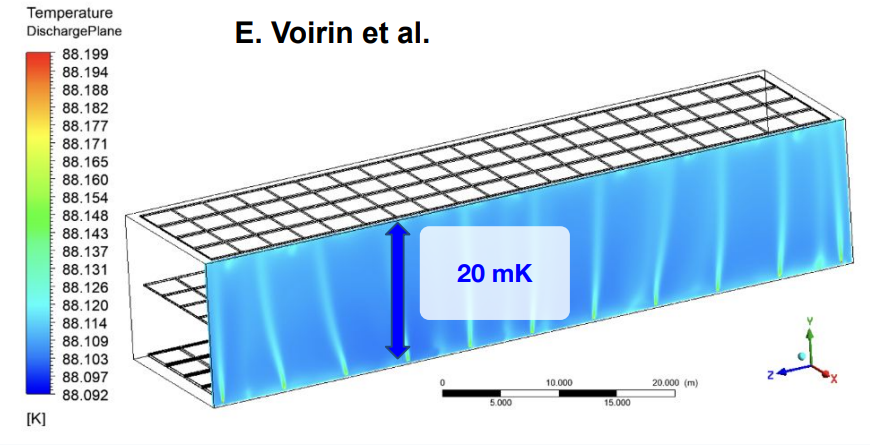
Figure 1. CFD Simulation of LAr flow in the FD Vertical Drift Module.
In the Horizontal Drift (HD) module (see Fig. 2), temperature will be monitored with Resistance Temperature Detectors (RTDs). The RTDs will be installed on the anodes, where the electric field is close to 0 V, enabling vertical measurements with a precision of a few millikelvin.
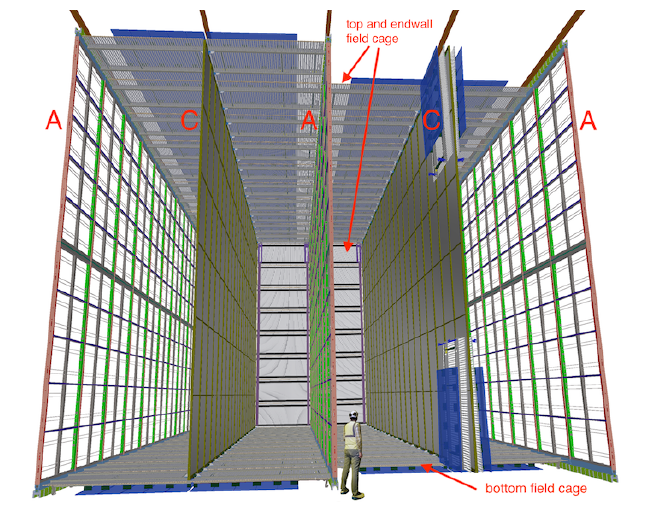
Figure 2. FD-HD module configuration. Anodes are denoted as A and cathodes as C.
In the Vertical Drift (VD) module, where the electric field has a vertical configuration, such an installation becomes more challenging.
Optical fibers are highly robust and perform well under harsh conditions such as high or cryogenic temperatures. They are immune to electromagnetic fields and X-rays, and are also minimally invasive, making them highly advantageous sensing devices. Fiber Bragg Grating (FBG) constitutes an emerging technology, which has been well studied and used to monitor strain and temperature by tracking changes in its Bragg wavelength peak. Figure 3 shows a schematic representation of how the vertical temperature gradient would be monitored in the VD module with this technology.
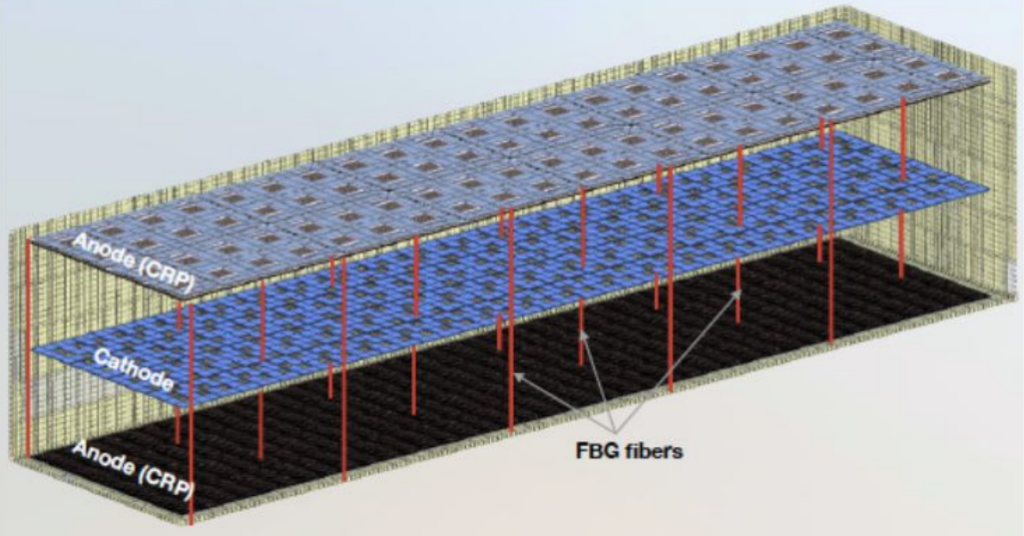
Figure 3. FD-VD Temperature Monitoring System layout schematic.
IFIC is leading the R&D on the FBG technology for its application in monitoring liquid argon temperatures within the VD modules with a required precision better than 0.005°.